Skip Hire in Newham for practical waste removal and tidy project clearances

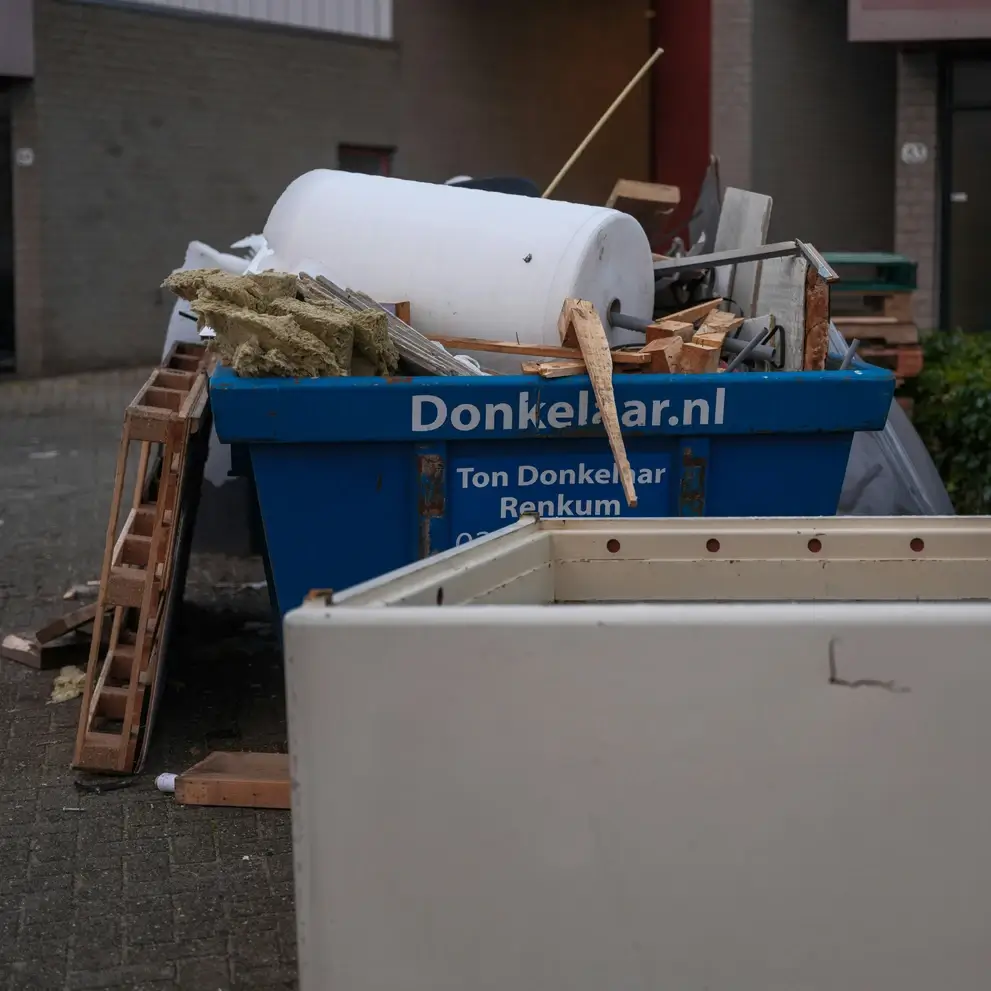
Skip Hire Newham provides skip hire in Newham for households, trades, landlords and site teams that need a straightforward way to remove waste from a property or work area. The service suits clearances, refurbishments, garden work, strip-outs and ongoing projects where mixed waste needs to be collected in one place and taken away responsibly. We keep the focus on the container and the waste stream, so you can choose a skip size that fits the job rather than arranging repeated journeys.
Our skip hire service is built around sensible waste collection rather than guesswork. Different jobs create different volumes and different materials, so the right choice depends on access, load type and how quickly the waste will build up. For a domestic tidy-up, that may mean a compact option that sits neatly on a driveway; for a building job, it may mean a larger container that can handle steady output from demolition, repairs or fit-out work.
If you are planning a project in Newham and want a clear way to deal with the waste, start by matching the skip to the job. You can then request a quotation with the details that matter most. For larger or messier clearances, it is often worth thinking about the likely mix of materials before you book. That helps keep the waste moving efficiently from the property to the correct disposal route.
Choosing the right skip for the work
Not every job needs the same container. A small household clear-out, a bathroom replacement and a landscaping project all create different waste profiles, so the service needs to be flexible enough to suit each one. Our domestic and trade customers typically look at how much loose material there will be, whether the waste includes bulky items and how much room is available for placement. That practical approach makes it easier to keep the site orderly while the job is under way.
The most useful starting point is usually the material you expect to throw away. Clean soil, timber offcuts, old fittings, packaging, mixed rubble and general waste all behave differently when loaded. If your project is mainly heavy mineral waste, that needs a different approach from a lighter load of furniture, plasterboard or general household items. The right container can help you avoid overfilling, awkward handling and unnecessary disruption at the property.
Our skip sizes and prices page is a helpful place to compare options before you request a quote. It allows you to think through the likely size, the type of waste and the budget you want to work within. If you are still deciding, a clear description of the work is often enough to narrow the choice. Measure the job, not just the room.
Waste types and what can go in the container
One of the most important parts of skip hire is understanding what can be loaded safely and what needs separate handling. General mixed waste, builders’ debris and many household items are common, but some materials require more care or a different disposal route. If you are dealing with a refurb or clear-out, it is worth checking the load mix before you start stacking items in the container, especially where heavy, dusty or awkward materials are involved.
Our what can go in a skip page sets out the kind of waste that is commonly accepted and the items that need extra attention. That is useful for planning because it reduces the risk of putting restricted material into a container by mistake. Keeping the load suitable from the start also helps make collection and disposal more straightforward, particularly when a project produces several waste streams over a short period.
Typical waste planning points include:
- heavy rubble and building debris
- old fixtures, fittings and internal strip-out waste
- garden cuttings, soil and outdoor clearance material
- bulky household items from garage or loft jobs
- packaging and mixed rubbish from small commercial projects
Domestic clearances, refurbishments and household waste
Domestic projects often need a waste solution that is simple, contained and easy to plan around family routines, neighbours and parking. Our domestic skip hire can support house clear-outs, minor renovations, flooring removal and room-by-room decluttering where waste builds up faster than normal bin collections can handle. It is a practical option when you need one place for the rubbish rather than bags piling up indoors or in the garden.
The domestic skip hire page covers a service suited to home projects that generate mixed waste. That may include broken furniture, packaging, old fittings, plaster and other renovation debris, provided the load remains within the relevant acceptance rules. If your job is focused on a particular area of the home, such as the kitchen, loft or garage, you can usually plan around the likely waste type and volume more accurately.
For customers comparing different domestic options, it can help to think about access and convenience as well as size. A smaller container may be easier where space is tight, while a larger one can reduce the need to arrange a second collection. Choose the container for the waste pattern you expect, not only for the amount you can see on day one.
Builders’ waste and construction projects
Building work creates waste in stages, not all at once. Strip-out debris, packaging, broken fittings, timber, masonry and offcuts can accumulate quickly as a job moves from demolition to rebuild. Our builders’ waste service is designed for that sort of working environment, where the main need is to keep the site clear enough for trades to continue without waste spreading across access routes or storage areas.
For those jobs, the builders’ skip hire page is the most relevant place to review the service. It is particularly useful where the waste comes from renovation, structural work, repairs or new installations, because the load can include a wide mix of material types. You may also want to factor in the rate at which waste will be generated, especially if the site is active for several days or weeks.
There are cases where a skip is only one part of the waste plan. If access is awkward, the material is being loaded by hand or the work creates repeated small loads, a different approach may suit better. Wait and load skip hire can be a useful option where a container cannot remain in place for long, while construction waste disposal supports more focused handling of site debris. Each route has a place, depending on the layout and the type of waste involved.
Garden, garage and loft waste

Outdoor and storage-area jobs often create a blend of light, bulky and awkward waste. Garden projects may produce branches, hedge cuttings, soil, turf and broken outdoor items, while loft and garage clearances usually include accumulated household goods, packaging, old storage boxes and miscellaneous clutter. These jobs often feel manageable at first, then grow once the hidden items come out of the corners and cupboards.
Our garden waste removal service covers green waste and outdoor clearance material, while the garage and loft clearance page is useful when you need help with stored items rather than outdoor cuttings. They are different jobs, even though both can produce mixed loads. That distinction matters when you are deciding whether to keep everything in one container or separate the waste into more than one category.
When planning a garden or storage clearance, it is sensible to look at the heaviest material first, then the bulky light items. Soil and rubble can change how a load needs to be handled, whereas furniture, broken tools and domestic clutter often take up space before they become especially heavy. Good planning keeps the waste manageable from the first bag to the final collection.
Commercial clearances, offices and ongoing premises work
Commercial sites need waste solutions that fit around trading hours, deliveries, staff movement and customer access. For that reason, our service can suit offices, shops, small business units and managed premises where waste must be removed without disrupting the day-to-day use of the building. The aim is to give businesses a practical route for disposing of unwanted furniture, packaging, fit-out debris and routine clearance material.
The commercial skip hire page is the natural starting point for business customers who need a container-based solution. It sits alongside office clearance for workspace-specific jobs and site clearance for broader premises work. These services help different kinds of commercial waste, so it is worth matching the page to the task rather than assuming every business clearance is identical.
Where a company is clearing out old desks, chairs, archive material or refurbishment waste, the main decision is usually how the waste will be staged. Some jobs are best handled in one go; others need a container available while the work is in progress. That is especially useful when staff are still on site and the building remains in use.
Collection methods for tighter access and different waste volumes
Not every property has the same space for a container, and not every clearance produces the same amount of waste. In some locations, a skip is the easiest answer; in others, access, timing or local restrictions make an alternative more suitable. Our service range includes approaches that help you work around those practical issues rather than forcing the waste into a single method.
Grab hire services can be useful when waste needs to be collected from ground level and loaded efficiently, while grab lorry hire is another option for heavier or bulkier material that is easier to remove with mechanical loading. If the waste is already piled and accessible, these services can reduce the need to handle each item separately. That makes them a sensible choice for certain clearances and construction jobs.
For some customers, a mixed approach works better than relying on one method alone. A skip may deal with the lighter ongoing waste while a grab vehicle removes the heavier pile once the main strip-out has finished. The point is to keep the plan aligned with the work pattern rather than treating every project as though it will behave in the same way. Different waste, different access, different method.
About Newham
Newham is a borough in East London, formed in 1965 from the former County Boroughs of East Ham and West Ham. It sits to the east of the City of London and is shaped by long-standing connections to the Lea and the Thames, together with the transport and dockland changes that transformed east London during the nineteenth and twentieth centuries. The borough contains a wide spread of neighbourhoods and town centres, including Stratford, East Ham, Plaistow, Canning Town and Forest Gate, each with its own character and built pattern. Stratford’s growth accelerated after the late twentieth century, and the area became especially prominent during the London 2012 Olympic and Paralympic Games, when the Queen Elizabeth Olympic Park and surrounding transport links reshaped part of the local landscape. The borough also includes stretches of the Royal Docks, where the water space and regenerated quaysides form an important part of the modern environment. Green spaces such as West Ham Park and Plashet Park add a different layer to the urban fabric, while historic places of worship, civic buildings and rows of terraced housing reflect the area’s earlier suburban expansion and working-class history. Newham’s character comes from that contrast: waterways and docks beside high-density streets, newer commercial districts beside older residential grids, and a constant mix of movement, commerce and community life.
Site access, load planning and quotation details

Good waste planning often comes down to a few practical details. Access to the property, the likely weight of the waste, where the container may be placed and how quickly the load will build up all affect the best option. If you are arranging a project with several stages, it can help to think about the waste each stage will create, rather than waiting until the first pile has already become awkward to move. That makes it easier to choose a suitable service in advance.
When requesting a quotation, it helps to provide a brief description of the work, the kind of waste involved and any known access constraints. Photos can be useful when the waste is hard to describe, and a short inventory is helpful where the load contains a mix of heavy and bulky items. For repeat or multi-stage jobs, it is also sensible to mention whether the waste will be ready all at once or whether it will build over time. Clear information usually leads to a more accurate recommendation.
Our pricing and quotes page is the best place to start if you are ready to compare options and ask for a quotation. If you are still unsure which service fits your project, use the available pages to narrow the scope first and then contact us with the details. Request your quote today and choose a waste solution that matches the work properly.
Disposal routes, recycling and specialist waste
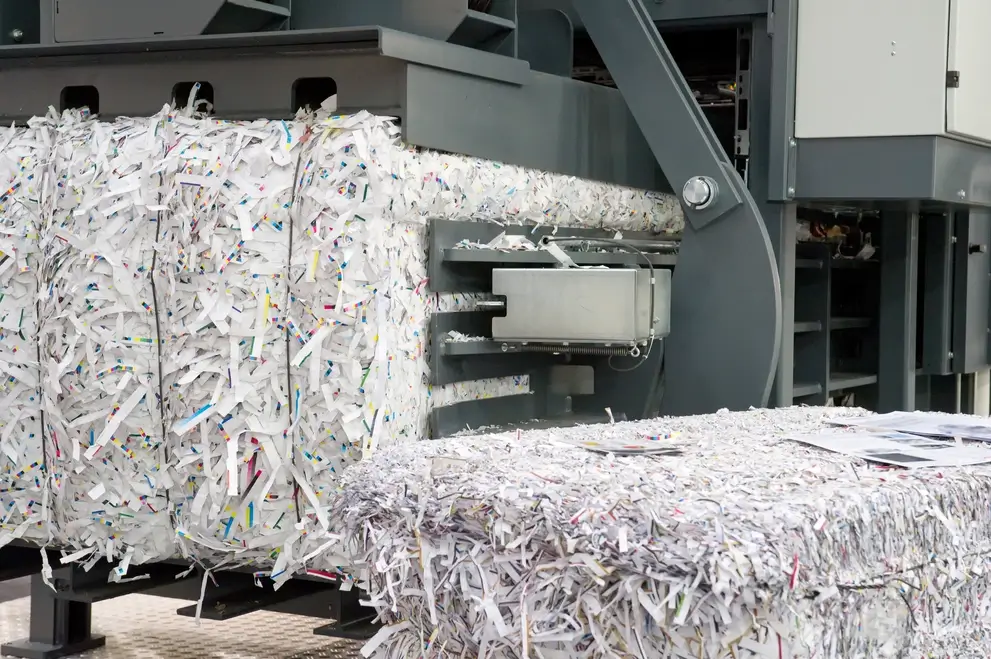
Once waste has been collected, the next step is to route it responsibly according to the material type. Mixed loads often need sorting so that recoverable material can be separated from residues, while certain items require specialist treatment. That is why a good waste service is about more than the container itself; it also depends on how the load is handled after collection and what kind of waste stream it contains.
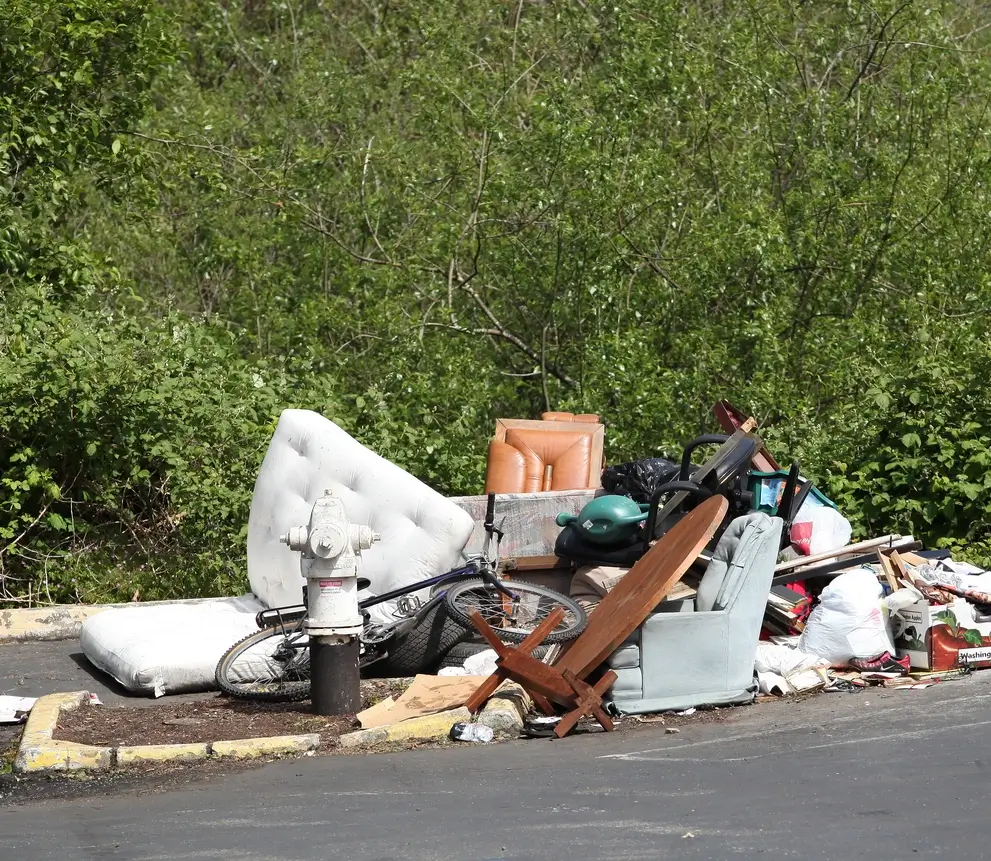
For customers who want to understand more about end-of-life handling, the waste recycling services page explains the recycling side of the process, while recycling and sustainability provides a broader view of resource recovery. Some materials need even more careful treatment, and that is where hazardous waste disposal comes in. Items such as appliances, mattresses or sofas may also have their own route, which is why separate pages exist for fridge and appliance removal and mattress and sofa disposal.
If your project involves a mixed load, it is worth separating the special items before the general waste is stacked. That keeps the job orderly and makes it easier to decide whether any part of the load needs a distinct disposal route. Special items should not be treated as an afterthought.
Booking the right waste service for your project
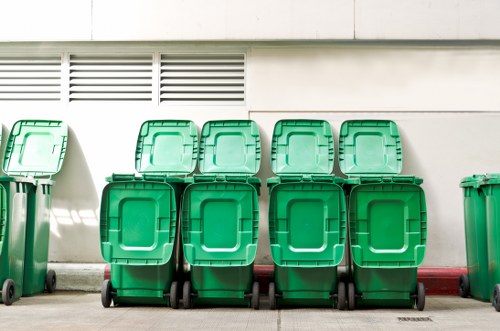
Different projects call for different combinations of service, timing and access. A straightforward home declutter may only need one container, while a larger building or commercial clearance may benefit from a broader plan that includes collection, loading and disposal support. Our service range is structured so that domestic, commercial and construction customers can move from general skip hire to more specific options without having to start the decision from scratch each time.
If you need to book a container, compare the main skip pages with the more targeted options for your job type. The same day skip hire page may suit urgent arrangements, while enclosed and lockable skip hire can be useful where waste needs more protection. For customers who want to make the next step quickly, book online is available once you are ready to proceed. Use the service that matches the work, then request your quotation.
Whether you are clearing one room or managing a larger project, the aim is the same: choose a sensible waste solution, keep the site workable and get the unwanted material removed without unnecessary delay. If you already know what you need, ask for a quotation now. If you are still comparing options, use the service pages above to refine the choice and then contact us when you are ready.