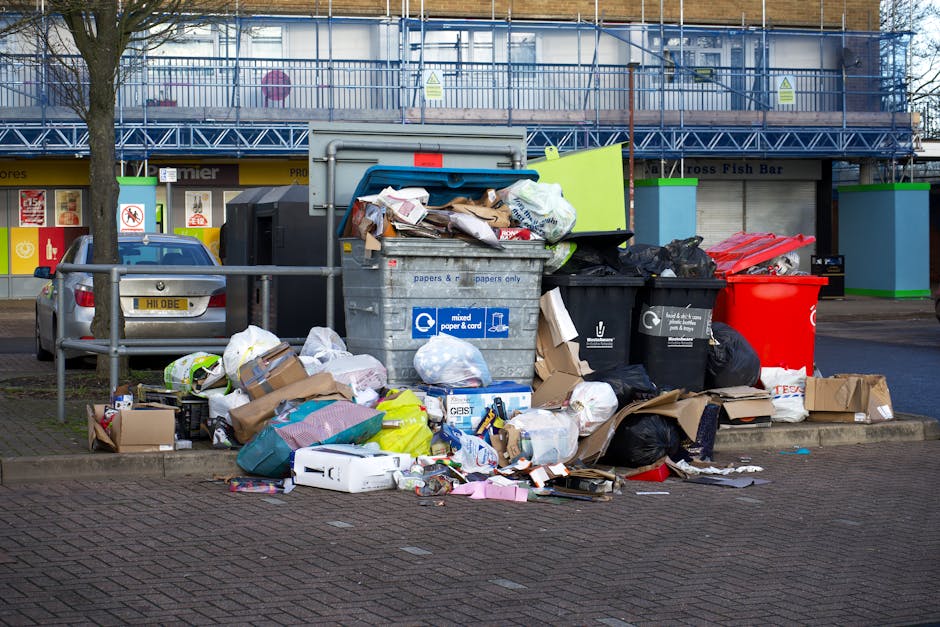
Rubbish removal Canning Town Station Newham services: a practical local guide
If you are searching for Rubbish removal Canning Town Station Newham services, chances are you want one simple thing: the waste gone, quickly, safely, and without turning your day upside down. Maybe it is a flat clearance after a move, a pile of builders' rubble from a weekend project, or just the awkward mix of old furniture, bagged rubbish, and "I'll deal with that later" clutter that somehow grows in a corner. Whatever the situation, getting the right disposal option matters more than people think.
Near Canning Town Station, timing, access, parking, and local traffic can all shape the job. A good rubbish removal service should make the whole process feel straightforward, not like another task to juggle. In this guide, we break down how the service works, what to expect, how to choose the right method, and where related options such as rubbish removal, wait and load skip hire, and grab hire services can fit into your plan.
To be fair, waste removal is rarely glamorous. But done properly, it saves time, reduces stress, and keeps your property or site tidy enough to work in properly. That alone is worth doing right.
Why Rubbish removal Canning Town Station Newham services Matters
Local rubbish removal is not just about convenience. In a busy part of east London, waste can become a real operational problem fast. A hallway blocked by old units, a front garden full of renovation debris, or office rubbish stacked by the door all create friction. People trip over it. Work slows down. The place starts to look neglected, which is never a good feeling when neighbours, tenants, staff, or customers are around.
Canning Town Station is also a movement-heavy area. That brings pressure points that other places may not have in quite the same way: limited stopping time, tight access, mixed-use buildings, and the need to work around public transport flow. A planned rubbish collection can make a big difference because it reduces the chance of delays, awkward loading, or repeat visits.
There is another angle too. Good waste handling supports recycling and reduces the amount going straight to landfill. If you care about doing things properly, that is not a small thing. Services tied to recycling and sustainability help make disposal more responsible, especially when different waste streams can be separated before they are taken away.
Expert summary: The best rubbish removal service is the one that matches your waste type, access conditions, and timing needs-not just the cheapest quote on the page.
And yes, sometimes the difference between a smooth job and a messy one is just choosing the right method up front. Sounds obvious. In practice, people often skip that step.
How Rubbish removal Canning Town Station Newham services Works
The process is usually simpler than people expect. You describe what needs removing, the provider assesses the volume and access, and then the right vehicle or collection method is arranged. In many cases, the team loads the waste for you. That is the main appeal: no lifting, no sorting in a panic at the kerb, and no trying to work out whether you need a skip, a grab lorry, or a van.
For smaller domestic jobs, a man and van style clearance can be practical. For heavier or bulkier loads, a grab vehicle or a larger collection may suit better. If you are handling mixed household items, loft clutter, or a full property clear-out, you may also want to look at house clearance or garage and loft clearance options.
In more access-heavy areas, the collection method matters a lot. If a lorry cannot safely wait for long, a wait and load skip hire arrangement may be a cleaner fit. If waste is loose, heavy, or awkward to move by hand, grab lorry hire can be more efficient. Truth be told, the best choice is usually the one that removes the least friction on the day.
Here is the typical flow:
- You explain what needs removing and where it is located.
- The provider estimates the volume, type of waste, and access conditions.
- A collection time is arranged, sometimes same day if availability allows.
- The team arrives, loads the waste, and sorts it for recycling or disposal.
- You are left with a clear space and, ideally, very little hassle.
Some jobs need a bit more planning. For example, if the waste includes appliances, confidential paperwork, or items that require separate handling, you may need specialist support such as fridge and appliance removal or confidential shredding.
Key Benefits and Practical Advantages
People usually think about speed first, and fair enough. But there are several practical benefits that often matter just as much.
- Less disruption: No waiting around with a full skip sitting outside for days if you do not need one.
- Better for tight access: Ideal where parking or road space near the station is limited.
- Hands-on loading: You are not left doing the heavy lifting yourself.
- Flexible for mixed waste: Useful for household clutter, renovation debris, and light commercial waste.
- Cleaner presentation: Helpful if you need the site to look tidy quickly.
- Waste handling support: The right provider should sort recyclable material from residual waste where possible.
For construction or trade work, the advantage can be even more obvious. Builders often need a service that keeps moving, not one that blocks the job. That is why related options like builders waste removal and construction waste disposal are often considered alongside general rubbish removal. They help keep a worksite usable. No one wants to spend half the day stepping over plasterboard offcuts, wood, and packaging. Nobody.
If security is a concern, especially in shared buildings or commercial units, you might also look at enclosed and lockable skip hire. That is not rubbish removal as such, but it can be a very sensible complement when waste needs to stay protected on site for a little while.
Who This Is For and When It Makes Sense
This type of service fits a broad range of situations. Sometimes the waste is obvious, like piles from a clear-out. Sometimes it is more gradual. A few broken items here, a bit of garden waste there, and suddenly there is more rubbish than floor.
You may need rubbish removal near Canning Town Station if you are:
- moving out of a flat or preparing a rental property for new tenants
- clearing a loft, garage, basement, or storage room
- finishing a DIY or refurbishment project
- managing office furniture or paperwork disposal
- dealing with garden waste after landscaping
- clearing a property after a bereavement or long period of accumulation
- removing bulky furniture, mattresses, white goods, or mixed household waste
For business sites, the list is a bit different. Commercial units, retail spaces, offices, and managed blocks often need fast turnaround and predictable collection windows. In those cases, office clearance and commercial skip hire can be relevant alongside rubbish removal, depending on the volume and how much labour is needed.
For domestic jobs, people often underestimate how much waste they actually have. A single room clear-out can produce far more than a few black bags. If the pile is bigger than you think, it may be worth checking skip sizes and prices before deciding whether a staffed removal or a skip-based option makes more sense.
Step-by-Step Guidance
Here is the straightforward way to approach it.
- List what needs removing. Separate bulky items, bagged waste, rubble, wood, metal, electrical items, and anything you are unsure about.
- Check access. Think about stairs, lifts, narrow hallways, parking restrictions, and whether a vehicle can stop close enough.
- Estimate the volume. A few sacks, a van load, or something closer to a mini clear-out? This changes the best option.
- Flag special items early. Appliances, mattresses, sofas, or sensitive paperwork may need separate handling.
- Choose the right service type. General removal, skip hire, wait and load, grab lorry, or a specialist clearance service.
- Book a time that fits the area. Near a station, off-peak timing can save a lot of hassle. Early morning or mid-afternoon often works better than the busiest commuter windows.
- Prepare the waste. Keep it in one place, clear access routes, and make sure the team knows if anything is tucked away in a loft, shed, or rear yard.
- Confirm sorting and disposal. Ask how recyclable materials are handled and what happens to non-recyclable waste.
A tiny bit of planning goes a long way. Honestly, it is the difference between "quick collection" and "why is this taking all day?"
Expert Tips for Better Results
Over time, a few practical habits make rubbish removal much smoother.
- Group waste by type before collection. Even a loose separation between general waste, wood, metal, and electricals can speed things up.
- Measure awkward items. A sofa, mattress, or large cabinet may be harder to move than it looks.
- Keep a clear path. Stairs, corridors, and entrances should be unobstructed. It sounds basic, but it saves time and reduces risk.
- Tell the provider about access issues. Parking restrictions or locked gates should never be a surprise on the day.
- Ask about recycling. Good operators should explain how waste is sorted or transferred.
- Use the right service for the job. If the load is heavy and loose, grab hire may be better. If it is mixed bulky waste and furniture, a staffed removal may be more efficient.
One small detail people miss: if you are clearing a flat near the station, shared entrances and lift usage can affect the schedule. A team can be efficient, yes, but a busy block can still slow everything down if the route is not planned. A short conversation beforehand saves a lot of back-and-forth later.
If you need to move waste out of a property quickly without leaving it on the street, same day skip hire can also be worth considering. Different job, same end goal: clear space without drama.
Common Mistakes to Avoid
A lot of rubbish removal problems are preventable. That is the annoying part, really.
- Underestimating volume: A "small pile" can turn into several cubic yards once everything is gathered together.
- Mixing in restricted items: Hazardous waste, chemicals, and some electricals should never be put in with general rubbish.
- Ignoring access: If a vehicle cannot get close enough, costs and timing may change.
- Not checking what the service includes: Some services load for you; others may expect you to have waste ready.
- Choosing the wrong method: A skip, van, grab lorry, or wait-and-load service all suit different jobs.
- Leaving it too late: If you need a room cleared for decorators, landlords, or movers, timing matters more than people expect.
Special waste deserves extra care. If there are fridges, appliances, mattresses, sofas, or confidential materials involved, use the appropriate service pages such as mattress and sofa disposal and fridge and appliance removal. If there is any hazardous material, the safest route is to use hazardous waste disposal rather than trying to bundle it with everything else.
Mixing the wrong items is where delays, extra charges, and headaches tend to start. Not ideal.
Tools, Resources and Recommendations
You do not need specialist tools for a basic rubbish removal job, but a few simple things help a lot.
- Heavy-duty sacks or boxes: Useful for smaller loose waste and reducing spillages.
- Tape and labels: Helpful when separating items that should be kept apart.
- Basic measurements: Width of hallways, stair turns, and vehicle access can matter more than expected.
- Photos of the waste: Clear images help with accurate quotes.
- A short item list: Especially useful for mixed clearances, office waste, and bulky furniture.
For people deciding between methods, these related services are often worth reviewing:
- skip hire for longer jobs or where you want a container on site
- domestic skip hire for home clear-outs and DIY projects
- builders skip hire for renovation and trade waste
- construction waste clearance for heavier site materials
- site clearance for larger, more complex jobs
If you need a simple, quick route to a booking, the book online page is the most direct way to get the process moving. For pricing clarity, pricing and quotes can help set expectations before you commit.
Law, Compliance, Standards, or Best Practice
Waste removal in the UK is not something to treat casually. You do not need to become a compliance expert overnight, but you should expect any provider to handle waste responsibly and to explain what happens to it.
A few sensible best-practice points apply:
- Duty of care matters: Waste should be collected, transported, and handled by a responsible operator.
- Special waste needs special handling: Hazardous items should not be mixed into general loads.
- Local access rules matter: Parking, loading, and blocking public space can all create problems if not planned properly.
- Recycling should be part of the process: Good practice means sorting recoverable materials where possible.
- Health and safety should be visible: Safe lifting, sensible loading, and clear site communication are basic expectations, not bonuses.
If you are comparing providers, you can also look for plain-English policies that show how the business works. Pages such as health and safety policy, insurance and safety, and terms and conditions are useful indicators of how seriously the company takes the job. That kind of transparency matters more than fancy wording.
For businesses handling confidential paperwork, the presence of confidential shredding is another reassuring sign. It shows the operator understands that not all rubbish is just "rubbish".
Options, Methods, or Comparison Table
If you are unsure which route to take, the easiest way to decide is to compare the main options side by side. No need to overcomplicate it.
| Method | Best for | Strengths | Watch-outs |
|---|---|---|---|
| Rubbish removal / man and van | Bulky items, mixed household waste, quick clearances | Staff load the waste, flexible, efficient for smaller loads | Less suitable for very large volumes or long projects |
| Skip hire | DIY work, ongoing renovations, heavier regular waste | Good for longer jobs, easy to fill gradually | May need space and, in some cases, a permit |
| Wait and load | Areas with limited parking or no long-term placement | Fast, no skip left behind | Needs waste ready before arrival |
| Grab lorry | Heavy, loose, or bulky material in larger piles | Great for awkward loads and speed | Access and loading position still matter |
| Specialist clearance | Houses, offices, lofts, garages, site cleanups | Tailored handling for specific job types | May be more expensive if the job is very small |
One useful rule of thumb: if the waste is mostly one-off and you need it gone fast, staffed removal is usually the least stressful option. If you are filling waste over several days, a skip may make more sense. If you are working in a tight urban spot, wait and load can be the quiet winner.
Case Study or Real-World Example
Picture a small flat clear-out near Canning Town Station on a weekday morning. The tenant has moved most belongings already, but there is still a broken wardrobe, a mattress, a few bags of mixed rubbish, and some old shelving in the hallway. Nothing huge, but enough to make the place feel unfinished. The building has a narrow entrance and a lift that is, let's say, not the quickest in the world.
In that situation, a standard skip left outside might not be ideal. Parking is tight, and the client does not want a container sitting on the street while they organise handover. A staffed rubbish removal visit makes more sense. The team arrives, carries items out efficiently, and takes the mixed waste away in one go. The tenant gets the keys back on time. The landlord gets a tidy flat. Everyone sleeps a bit better.
Now compare that with a weekend bathroom renovation. There is rubble, old fittings, packaging, and some timber offcuts. The waste is heavier and more repetitive. A builder might lean toward builders waste removal or builders skip hire, depending on how long the job runs and how often waste is generated. Different job, different answer. That is the bit people sometimes miss.
So, the best service is not the one with the flashiest description. It is the one that fits the actual mess in front of you. Small distinction. Big difference.
Practical Checklist
Use this quick checklist before you book.
- Have I listed everything that needs removing?
- Do I know whether any items are hazardous, electrical, or confidential?
- Is there clear access for a team or vehicle?
- Have I measured any awkward bulky items?
- Do I need same-day help or a planned slot?
- Would a skip, wait and load, or grab lorry be better than standard removal?
- Have I checked whether I need a permit or can avoid one by using another method?
- Do I know what happens to recyclable waste?
- Have I asked about insurance, safety, and disposal handling?
- Is the quote clear about what is included?
If you can tick most of those off, you are in a much better position. If not, take five minutes and sort it out first. It saves money and stress later. Simple, but useful.
Conclusion
Rubbish removal near Canning Town Station is one of those services that seems basic until you actually need it. Then it becomes very important, very quickly. The best outcome is a clean space, no confusion, and a collection method that fits the reality of your property, access, and waste type.
Whether you are dealing with a flat clearance, a bulky furniture job, builders' debris, or a mixed load that has grown arms and legs, choosing the right approach saves hassle. Look at volume, access, time pressure, and disposal type. And if something feels awkward, it probably deserves a more specialised solution.
For many people, the smartest next step is to compare the options, review the relevant service pages, and book a slot that suits the job rather than forcing the job to suit the slot. That tends to work better, in real life at least.
Get a free quote today and see how much you can save.
When the clutter is gone and the space opens up again, you will feel it straight away. Sometimes that fresh start is exactly what a place needs.
Frequently Asked Questions
What does rubbish removal near Canning Town Station usually include?
It usually includes the collection, loading, and disposal of general household waste, bulky items, and mixed rubbish. Some providers also handle furniture, appliances, and light clearance work.
Is rubbish removal better than skip hire for a small job?
Often, yes. If you only have a small-to-medium load and limited space, a staffed rubbish removal service can be faster and less disruptive than leaving a skip on site.
Can I book same-day rubbish removal?
Sometimes. It depends on availability, the type of waste, and how easy the property is to access. If you need speed, check same day skip hire and related fast-turnaround options too.
What happens to the waste after collection?
Good operators sort the waste where possible and send recyclable material through appropriate recycling routes. Residual waste is disposed of through compliant facilities.
Do I need to separate all my rubbish before collection?
Not always, but separating items by type can help the team work faster and can improve recycling. At minimum, keep hazardous items apart from general waste.
Can you remove bulky furniture like sofas and mattresses?
Yes, that is very common. For those items specifically, services like mattress and sofa disposal are often the best fit.
What if my waste includes old appliances?
Appliances should be handled carefully, especially fridges and freezers. Use a service such as fridge and appliance removal rather than leaving them with general waste.
Will I need a permit for rubbish removal?
Usually not for a direct collection, because no skip is left behind. If you choose skip hire, permit requirements may apply depending on where the skip is placed. You can review skip hire permits and skip permits for more context.
How do I know which service is right for me?
Think about three things: volume, access, and waste type. If the job is small and awkward, rubbish removal is often best. If it is ongoing and bulky, skip hire may be better. If access is tight, wait and load can be a smart compromise.
Is rubbish removal suitable for offices and commercial units?
Yes. Office furniture, paper waste, and mixed commercial rubbish can be cleared efficiently. For larger or repeated jobs, office clearance and commercial skip hire may also be worth considering.
Can hazardous waste go in with normal rubbish?
No, it should not. Hazardous waste needs specialist handling. If you are unsure, use hazardous waste disposal and ask for guidance before collection.
How can I get an accurate quote quickly?
Send clear photos, list the items, and mention any access issues such as stairs, restricted parking, or narrow entrances. You can also review pricing and quotes before booking.
Where can I learn more about the company and its approach?
The about us page is a good place to start, especially if you want a better sense of the team, service style, and values behind the work.